

Protecting Laterals from Horizontal Directional Drilling
Avoiding laterals is an important step if you’re installing utilities around existing structures. Lateral pipes are smaller sanitary pipes that are connected to the public main sanitary sewer to transport wastewater away from a property. They’re often smaller pipes, ranging from four to six inches in diameter at the most. This creates an interconnected sewer system. Laterals are often privately owned by the owner of the property connected to the mainline sewer. In some situations, this is up to a certain portion of the lateral as it enters the property.
Who Owns The Lateral?
Other times the private property owner owns the whole lateral up to where it connects to the street. In some uncommon cases, two laterals can even be connected into one combined lateral shared between two private properties (although this raises many legal and code issues). Very rarely is an entire lateral pipe considered to be a public utility located by public utility locating services. While a public locator may determine where a main line sewer is, they may not always mark the entire lateral line, potentially leaving pipes unmarked.
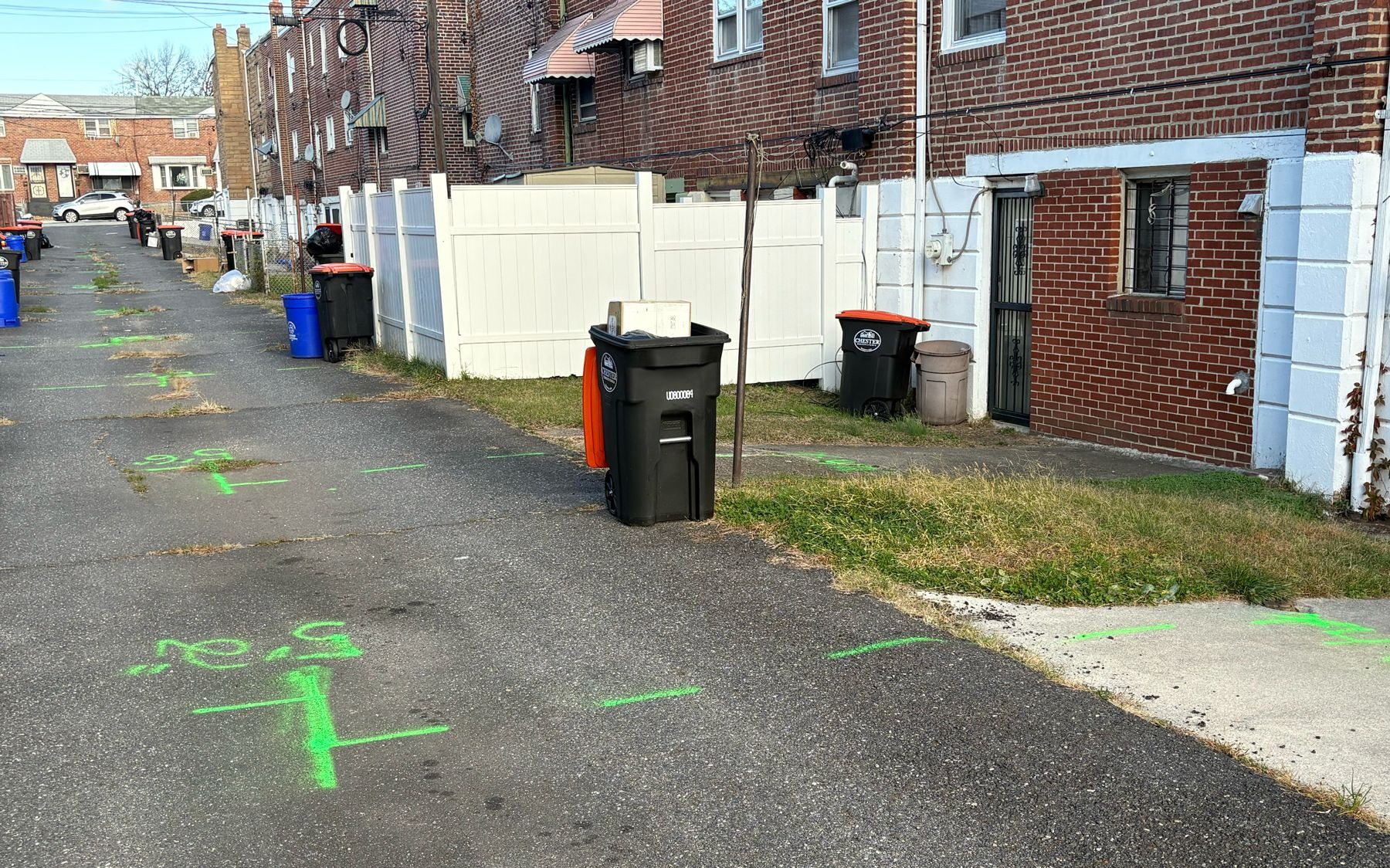
Avoiding Cross Bores While Drilling
This leaves the ball in the court of utility installation contractors. Utilities are often installed using horizontal directional drilling, or HDD. It’s a trenchless utility installation method that’s often the standard for installing new cable. This process involves utilities through the ground from a set bore path, determining exit and entry pits at both ends. A cross bore is when a utility is installed through another utility, often because of horizontal drilling or boring. Cross bores can cause a number of problems — they can block the flow of a pipe, cause unexpected outages, and raise many issues when it comes to making repairs. Not determining the locations of sewers and laterals can lead to a cross bore. Utility installation companies make sure existing utilities are located prior to establishing their bore path.
Using Pipe Cameras to Locate Laterals
One of the most important steps in ensuring the location of laterals is CCTV pipe inspection. Since laterals connect to a sewer main, inspecting a mainline sewer can help determine the number of laterals you’re dealing with, especially within dense townhouse corridors. Since you can determine where the laterals are within the pipe based on the footage, it makes for a much easier starting point. Laterals can also be inspected using a lateral launch camera, sending a harpoon-like camera to examine lateral conditions from the main sewer line.
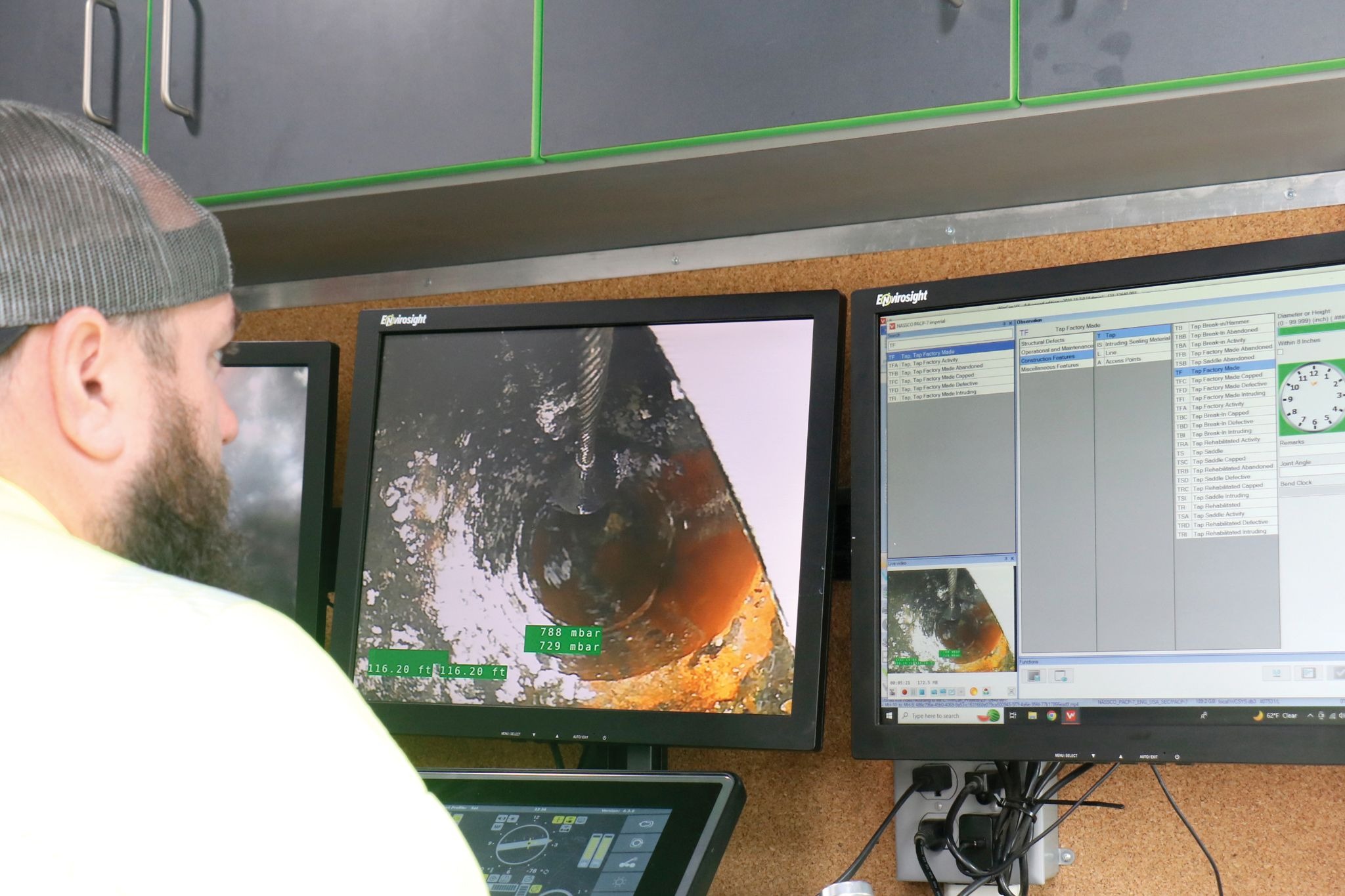
Using Non-Destructive Testing to Locate Laterals
The second step to protecting laterals is using utility locating equipment. Electromagnetic (EM) locating devices and ground penetrating radar (GPR) can be used to determine the location of all sorts of utilities and underground structures. If a sewer pipe or lateral doesn’t have a tracer wire that can easily be picked up using locator equipment, the pipe inspection camera can be easily picked up by the scanning equipment. Knowing where laterals and other utilities are located can lead to better planning with new utility installations.
If you need a private utility locator that can also inspect pipe conditions for defects, our team at Trinity Subsurface provides full-service utility investigations. Visit the rest of our website to find out more about how we can help today.


