Click Fraud Protection

How to Choose a Private Utility Locator in Maryland

Trinity Subsurface
Questions to ask, red flags to watch for, and how private locating works alongside Miss Utility in Maryland.
Read More >

ASCE 38 Subsurface Utility Engineering in Pennsylvania: What It Includes

Trinity Subsurface
The four ASCE 38 quality levels, what a SUE deliverable includes, and how to scope SUE on a Pennsylvania project.
Read More >

811 Won't Mark Private Lines on My Property. Who Should I Call?

Trinity Subsurface
Why 811 stops at the meter, which lines are private, and who to call to locate them before you dig.
Read More >
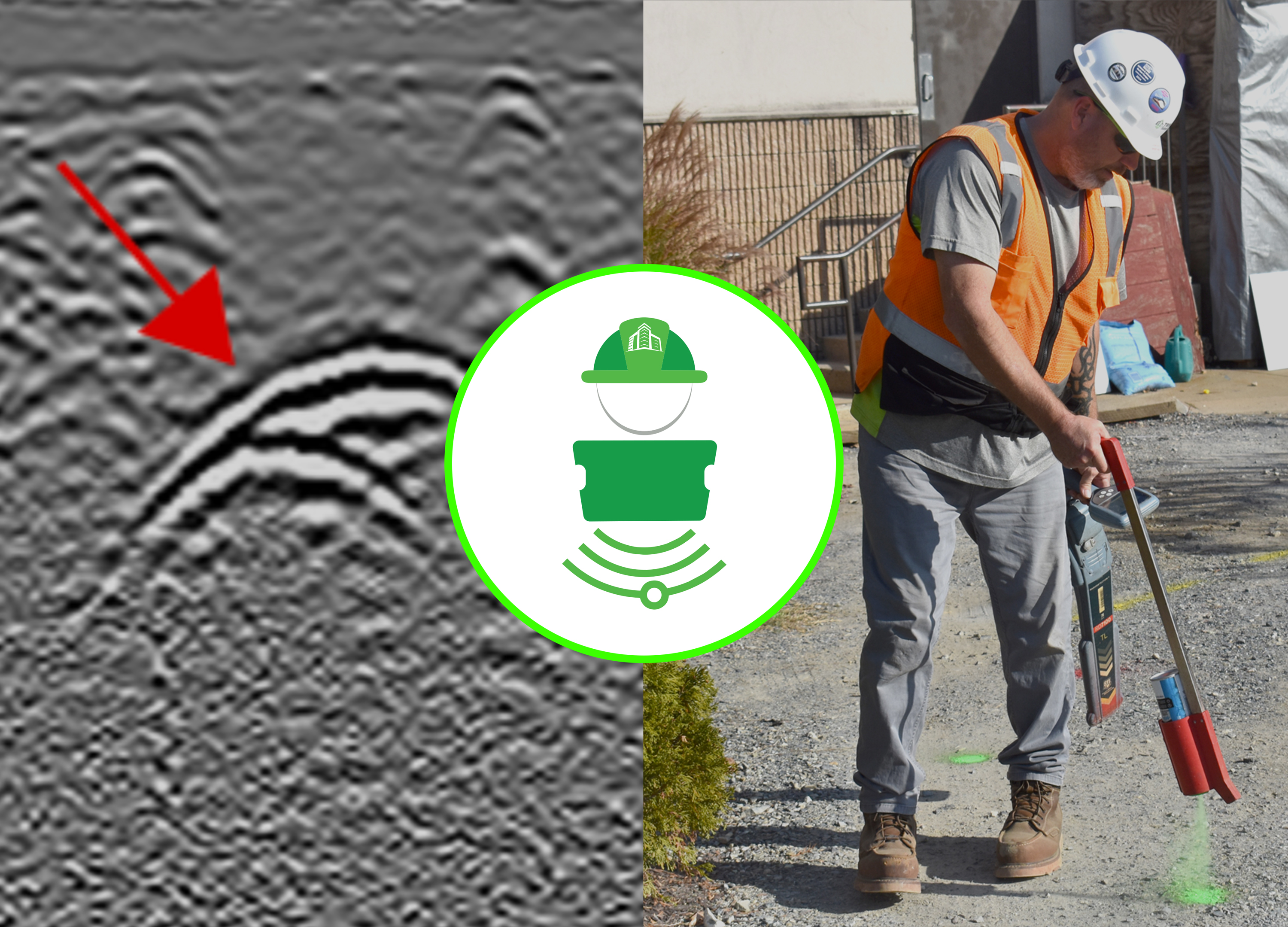
GPR scan data for a post-tension slab

Scanning Post-Tension Slabs Before You Core or Cut

Trinity Subsurface
How to tell if a slab is post-tensioned, why cutting a tendon is so serious, and how GPR finds and marks tendons before you core or cut.
Read More >
Technician performing concrete scanning on a slab

How Much Does Concrete Scanning Cost? What Drives the Price

Trinity Subsurface
GPR Concrete scanning is priced by the half or full day. What drives the cost, how to scope a job to avoid extra trips, and what a scan saves you.
Read More >

The Importance of Full Site Utility Investigations

Evan Mowbray
Why a full-site utility investigation catches the conflicts that redesign schedules and budgets later.
Read More >

The Benefits of GIS Utility Mapping

Evan Mowbray
GIS utility mapping ties located lines to real coordinates instead of a static PDF. What GIS adds over a standard deliverable, and who benefits from it.
Read More >

Public Versus Private Utility Locating: The Benefits of Both

Evan Mowbray
811 is free and covers utility-owned lines in the right-of-way. What a private locator adds, what each one misses, and why most sites need both.
Read More >

The Major Risks of Utility Damages: Avoiding Strikes

Evan Mowbray
Hundreds of thousands of utilities are damaged each year, most of it avoidable. The real consequences of a strike, and the practices that prevent one.
Read More >

Why Routine Sewer Main Maintenance is Needed

Evan Mowbray
Blockages, corrosion and excess water all develop out of sight. Why most municipalities inspect sewers every year or two, and what that catches.
Read More >

Digging Safe: How to Protect Your Utilities Step-By-Step

Evan Mowbray
Digging safely, step by step: calling 811, engaging a private locator, marking the site and clearing the tolerance zone before the excavator arrives.
Read More >

Protecting Laterals from Horizontal Directional Drilling

Evan Mowbray
Directional drilling is a leading cause of cross bores through sewer laterals. Why laterals are so easily missed, and how to clear a bore path first.
Read More >

How To Locate Underground Storage Tanks

Evan Mowbray
Underground storage tanks leak, and many sit unrecorded. How USTs are found with GPR and electromagnetic methods, and what the EPA requires of owners.
Read More >

The Importance of Sewer Cleaning and Pipe Inspection

Evan Mowbray
Sewers are easy to neglect until they back up. How routine sewer cleaning and CCTV inspection catch sediment, cracks and deformation before sewer backups and failure.
Read More >

Using Surface Features to Locate Underground Utilities

Evan Mowbray
Manholes, valve boxes, light poles and hydrants all point to something buried. How locators read surface features to infer what runs below.
Read More >

Why Do Utility Strikes Happen?

Evan Mowbray
The 2024 DIRT report logged over 189,000 utility damages, roughly 500 a day. The causes behind utility damages, starting with the calls that never got made.
Read More >

When Should You Locate Utilities?

Evan Mowbray
Locating during design beats locating the morning you dig, but taking the time to locate lines is crucial. When to schedule a locate, and what the lead time does to your project risk.
Read More >

Core Drilling Concrete: Preparation, Wet vs. Dry, and Scanning First

Evan Mowbray
Core drilling cuts a clean hole through concrete, but only if nothing is in the way. How to prepare for core drilling, and why a GPR scan comes before the drill bit.
Read More >

As-Builts And Existing Utility Information After Construction

Evan Mowbray
As-built drawings are meant to record what was built, so why are they so often wrong about utilities? What they miss, and what to verify in the field.
Read More >

Hole In One: A Trenchless Pipe Repair Case Study

Evan Mowbray
Stormwater repairs at a Rehoboth Beach country club, lined manhole to manhole without digging up the course. Why saltwater accelerates decay.
Read More >

Construction Safety Week - Keeping Sites Safe

Evan Mowbray
Construction Safety Week: how locating utilities and scanning concrete before fence posts, cuts and cores keeps crews out of avoidable danger. Staying safe requires understanding underground utilities.
Read More >

When is Vacuum Excavation Needed?

Evan Mowbray
Locating detects a utility; vacuum excavation confirms the depth. When soft digging is worth adding, and when non-destructive scanning is enough on its own.
Read More >

Private Utility Locating Case Study: Underground Storage Tank Under An Addition

Evan Mowbray
A property sale hinged on removing a buried fuel tank nobody could find. How Trinity located an underground storage tank sitting beneath an addition.
Read More >

Unusual Surface Feature Investigation: A Case Study

Evan Mowbray
A technician finds a surface structure nobody recognizes. How Trinity investigates unusual features to complete the picture of what runs below.
Read More >

Utility Clearance: Taking Notes and Keeping Distance

Evan Mowbray
How much clearance to give a marked line, why the tolerance zone exists, and the sequence of calls and checks before anything breaks ground.
Read More >

Water Leak Locating Case Study - Chasing Water

Evan Mowbray
Water was surfacing from a fiber conduit near Brandywine Creek with no water line nearby. How Trinity traced the source before it undermined a wall.
Read More >

How Weather Affects How We Think About Utilities

Evan Mowbray
Storms, heat and freeze cycles all act on buried infrastructure. How weather drives stormwater failures, outages and the condition of what is underground.
Read More >

Sewer Inspections: What Damages Can Be Found in Sewers

Evan Mowbray
Cracks, root intrusion, offset joints, corrosion and blockages. What a CCTV crawler or push camera finds in a sewer, and what each defect means.
Read More >

Utility Locating Case Study: Trash to Treasures

Evan Mowbray
A two-day locate on a former junkyard turned surplus store, tracing well, electric and sanitary lines across a site rewritten by decades of change.
Read More >

The Benefits of Mapping Your Utilities: Deliverables and CAD Maps

Evan Mowbray
Field marks wash away; a drawing does not. How located utilities become a deliverable, and the difference between a standard sketch and a CAD map.
Read More >

Inflow and Infiltration: How To Keep Excess Out Of Your Sewers

Evan Mowbray
Groundwater through cracked joints, stormwater through bad connections. What separates inflow from infiltration, how sources of unexpected water are found, and how inspection can help identify repair recommendations.
Read More >

Abandoned Utilities: Leaving Infrastructure Underground

Evan Mowbray
Abandoned lines are rarely removed and rarely recorded, left under the surface, potentially unknown to property owners. Why utilities get left in the ground, the risk they create, and how they turn up in a locate.
Read More >

Lead Service Lines: Protecting Your Water Services

Evan Mowbray
Lead service lines are still in the ground across the country. The health risk, how to identify a lead line, and what locating contributes to replacement.
Read More >

Laterals: Inspecting and Reinstating

Evan Mowbray
Sewer laterals are usually privately owned, four to six inches, and easy to miss during sewer work. How they are inspected, lined and reinstated after a main is relined.
Read More >

Cost Analysis: The True Costs Saved by Utility Locating

Evan Mowbray
A strike costs far more than a locate. What utility damage actually runs, and how designating existing lines protects both schedule and budget.
Read More >

Renovation Nation: Adjusting Utilities for Existing Buildings

Evan Mowbray
Renovations mean capping, relocating and abandoning utilities inside and outside a building. How conflicts surface, and how they get resolved.
Read More >

How Deep Are Underground Utilities? Typical Burial Depths by Type

Evan Mowbray
Typical utility burial depths vary by utility type, region and era, and records are often wrong. Why depth matters, the expectations of how deep utilities are buried, and how a test hole confirms it.
Read More >

Safety Equipment: How We Stay Safe on Site

Evan Mowbray
The PPE, training and stop-work authority behind a Trinity crew. What field technicians carry, and how safety checks happen before work begins.
Read More >

Visual Data: How We Receive and Interpret GPR Data

Evan Mowbray
GPR returns look like static until you know what to read. How ground penetrating radar works, and how a technician reads a hyperbola as a utility, and how the data turns into usable maps.
Read More >

Leak Detection: How To Detect A Leak

Evan Mowbray
Finding a buried water leak takes utility locating plus acoustic equipment. How the methods work together, and what conditions limit what they can hear.
Read More >

Roadway Pipe Inspections: Sharing the Road with Sewers

Evan Mowbray
Most sewer manholes sit in the roadway. The reasons for roadway manholes, what that means for CCTV inspection access, and how road work is planned around it.
Read More >

Utility Flag Colors and Paint Marks: What Each Color Means

Evan Mowbray
Red, yellow, blue, orange, green: what each utility flag and paint color marks under the APWA Uniform Color Code, and how much clearance to give them.
Read More >

Common Misconceptions of Utility Locating

Evan Mowbray
811 does not mark every utility. Common myths about utility locating, including what public one-call services cover, the accuracy of existing data, and what is left in the ground.
Read More >

What Can GPR Concrete Scanning Locate?

Evan Mowbray
Before you saw cut, drill or core, you need to know what is in a concrete slab. What GPR concrete scanning finds: rebar, post-tension cable, conduit and voids.
Read More >

Utilities on Utilities: Investigating Overlapping Infrastructure

Evan Mowbray
Decades of construction stack utilities on top of one another, active beside abandoned. How congested and overlapping infrastructure is sorted out.
Read More >

Tight Squeezes: Inspecting Pipes By Size

Evan Mowbray
Pipe runs from 3 inches to several feet, and camera choice follows diameter. How push cameras and crawlers differ, and what each size of line needs.
Read More >

Scanning Areas: Line Scans, Grid Scans, and More

Evan Mowbray
Surface features, line scans, grid scans and sweeps. The scanning patterns a locator uses to cover a site, and what each technique is good at finding.
Read More >

How Our Services Support Each Other

Evan Mowbray
Locating, vacuum excavation, pipe inspection and mapping are one workflow, not four. How each Trinity service feeds and verifies the next on a site, including unexpected connections.
Read More >

Sewer Buildup: How To Build Up and Unclog Your Storm and Sanitary Lines

Evan Mowbray
Grease, roots, scale and debris all narrow a sewer until it backs up. What causes buildup in storm and sanitary lines, and how jetting clears it.
Read More >

Why Refreshers on Existing Utility Information Are Important

Evan Mowbray
Utility knowledge from a past project is Quality Level D data at best. Why existing information goes stale, how to improve knowledge, and when to re-verify what is underground.
Read More >

From Locating to Deliverables: Our Process

Evan Mowbray
What happens between the site walk and the deliverable: how Trinity scopes a locate, designates lines in the field, and turns marks into a drawing.
Read More >

GPR Concrete Scanning Case Study: Scanning a Parking Garage

Evan Mowbray
Concrete scanning inside a parking garage: finding rebar, post-tension cable and conduit in a stacked concrete structure before repair work begins.
Read More >

Striking Utilities! Why Avoiding Utilities Is Important

Evan Mowbray
Thousands of utility strikes happen in the US every year. How they happen, what follows a strike, and the steps that keep a crew from causing one.
Read More >

Tools of the Trade: The Tools We Use to Locate, Excavate, and Rehabilitate

Evan Mowbray
The GPR units, electromagnetic locators, vac trucks, jetters and camera systems a Trinity crew carries, and what each one is actually good for.
Read More >

Determining a Pipe Repair: Rehabilitation of Your Pipeline

Evan Mowbray
Leaks, blockages and root intrusion all wear a sewer down over time. How CCTV inspection determines whether a pipe needs cleaning, lining or a point repair.
Read More >

Unexpected Aspects Of The Subsurface World

Evan Mowbray
There are millions of miles of buried utilities, plus voids, tanks, foundations and graves beneath the surface. What else is under a site besides the lines you were looking for.
Read More >

Test Holes: Confirming Your Utilities (Or Not?)

Evan Mowbray
Locating utilities using non-destructive testing gives horizontal position. A vacuum-excavated test hole gives depth, size and material, taking utility data to Quality Level A.
Read More >

Renew-utilities: Updating Utility Infrastructure for Emerging Technology

Evan Mowbray
EV charging, solar arrays and grid upgrades all land on top of existing utilities. How locating and relocation make room for new infrastructure.
Read More >

Manhole Safety: The Hazards Around Utility Access Points

Evan Mowbray
Over 20 million manholes sit in US roads and sidewalks. The hazards they present, from confined space entry to failing covers, and how crews work safely.
Read More >

What Can Be Found with Ground Penetrating Radar?

Evan Mowbray
Water and gas pipe, electric and telecom cable, sewers, tanks and voids. What GPR detects through soil, asphalt and concrete, and what may limit utility investigations.
Read More >

Why Ongoing Storm System Maintenance is a Community Priority

Evan Mowbray
The eastern US sees 40 to 60 inches of rain a year, and it all has to go somewhere. Why storm system maintenance is a community-wide concern.
Read More >

Hydro Jetting Case Study: Heavy Pipe Cleaning - A Debris Filled Challenge

Evan Mowbray
Two 36-inch pipes, 150 feet each, packed solid with mud, rock and concrete runoff from a nearby work site. How Trinity's crew cleared the sewers and restored flow.
Read More >

Levels of SUE Data: Increasing Utility Location Accuracy

Evan Mowbray
Quality Level D through A under ASCE 38: what each level of subsurface utility data actually means, how it is collected, and when each one is enough.
Read More >

Video Pipe Inspection Reporting: How Inspections Are Documented

Evan Mowbray
A CCTV inspection is only as useful as its report. How Trinity scopes an inspection and documents defects, blockages and cross bores for the record.
Read More >

Sinkholes: Preventing a Sinking Site

Evan Mowbray
Sinkholes form where water hollows out the ground beneath a site. What causes them, the warning signs at the surface, and how voids are found early using ground penetrating radar.
Read More >

Cross Bore Mitigation

Evan Mowbray
A cross bore is one utility installed straight through another, usually a sewer. Why it goes unnoticed for years, and how it is found before a cleanout through video pipe inspection.
Read More >

Locating Unexploded Ordnance (UXO) with GPR and EM Surveys

Evan Mowbray
Unexploded ordnance turns up on former ranges and Civil War ground long after the fighting. The risk it carries, and how geophysical survey finds potentially dangerous objects under the surface.
Read More >

The Importance of Concrete Analysis

Evan Mowbray
Concrete analysis assesses the strength, thickness and condition of a slab. What it measures, and why it matters before cutting or loading.
Read More >

The Advantages of UV Cured-In-Place Pipe Lining

Evan Mowbray
UV cured-in-place lining cures faster and more consistently than steam CIPP. How UV-CIPP works, and where it outperforms traditional trenchless lining.
Read More >

Cured In Place Pipe Lining: A Trenchless Solution

Evan Mowbray
Cured-in-place pipe lining repairs cracked pipe from the inside with no excavation. How CIPP works, and where it fits from 3-inch to 42-inch line.
Read More >

Setting Up The Scope for You - From Boring to Utility Installations

Evan Mowbray and Randy Clinton
How Trinity scopes a project, from a yard locate to scanning an entire building. What details set the scope, and what you receive at the end.
Read More >

What Is The Value Of Hiring A Private Utility Locator?

Evan Mowbray
Renting GPR is not the same as knowing how to read it. What a professional private locator brings that equipment rental does not.
Read More >

Concrete Scanning - Working From High Up

Evan Mowbray
Concrete scanning in high-rises: what a scan reveals about slab thickness, rebar and embedded conduit before cutting or coring above ground level.
Read More >

What Benefits Can You Get From Utility Locating?

Evan Mowbray
Safety, schedule and cost all turn on knowing what is buried before you dig. What utility locating delivers on a construction project, and why the information gathered on site matters.
Read More >

Why Trenchless Pipe Repair?

Jami Roblejo
Trenchless repair fixes pipe without opening the floor or the street. The three methods Trinity uses, and the pipe scenarios each one covers.
Read More >

The Natural World Takes Root!

Jeff Finkle
Where vegetation can grow in your underground infrastructure.
Read More >

Weirdest Things Flushed Out Of Pipe

Mark Yurkovich
We see a lot of things in pipes, but here are the weirdest.
Read More >

Core Values: Team Culture

Julie Dault
What is Trinity's team culture?
Read More >

The Three R's Of Concrete

Zach Fite
The concrete industry, while needed, is having environmental impacts. How could we reduce this footprint?
Read More >

How Tough Is Our Jetter?

Jeff Finkle
Our Jetters will get your pipes clean, but just how clean?
Read More >

Inflow & Infiltration, What Is It?

Mark Yurkovich
Do you have and Inflow & Infiltration problems?
Read More >

How Big Is My Scope, Really?

Randy Clinton
So you've chosen your scope...But is it as small as you think?
Read More >

Core Values: Dependable

Yoli Nodarse
What does being dependable mean?
Read More >

The Value Of Proceq, GSSI, Sensors, & Software

Randy Clinton
Why do we need this technology for your concrete scanning projects?
Read More >

Deliverables

Mark Yurkovich, Randy Clinton, Yoli Nodarse
What deliverables are offered with our services?
Read More >

Core Values: Customer Focused

Bob Froelich, Yoli Nodarse
Our Spotlight Trinity of the week explains the core value of Customer focused.
Read More >

Video Pipe Inspection: What Is It?

Mark Yurkovich
What is video pipe inspection and why would you need it? Click to learn!
Read More >

Spotlight Trinity: Tyler

Tyler Smith
A Trinity technician on a SEPTA repair: a holed pipe under live train tracks, cleaned by hydro jetter and relined without ever opening the ground.
Read More >

The Differences Between Air & Hydro Excavation

Air excavation backfills dry and keeps spoil reusable. Hydro cuts clay and rock faster. When each vacuum excavation method fits the site and the scope.
Read More >

Do We Really Need To Mark Private Utilities?

Everything past the meter is private, and 811 will not mark it. What leaving private utilities unmarked actually risks on a campus or commercial site.
Read More >

What Is Remote Digging?

Remote vacuum excavation reaches dig sites machinery cannot, with hose extensions instead of a backhoe. When it is needed and what it protects.
Read More >

The Versatility of a GPR Concrete Scanner: What Can it Find?

Rebar, post-tension cable, conduit, voids and slab thickness. What a GPR concrete scanner detects, and how targets are marked before cutting or coring.
Read More >

Longwood Reimagined: Our Project Experience

Longwood Gardens is working on its most ambitious expansion project to date, enlisting Trinity Subsurface to locate underground features.
Read More >

X-ray Versus GPR When Concrete Scanning

The technology of the ground penetrating radar equipment is significantly safer for all workers on a construction site than X-ray imaging.
Read More >

Common Anomalies Found Underground

Leveraging ground penetrating radar and electromagnetic equipment, Trinity Subsurface can locate a wide range of objects that should be avoided during construction.
Read More >

Slot Trenching Compared to Other Types of Trenching

In particularly sensitive areas, or where unlocatable lines are suspected to exist, a slot trench is dug to identify and locate potential conflicts in a non-destructive manner.
Read More >

Why is Sectional Point Repair The Best Option for my Storm or Sewer Line?

Sectional Point Repair is commonly used for sewer pipes that are cracked, fractured, or have offset joints.
Read More >

Trinity’s Process To Utility Locating

Trinity Subsurface has a unique way of locating underground utilities on the private side and we also can verify and locate public utilities if needed.
Read More >

When Concrete Scanning Turns to VPI

VPI is required to map out utilities that cannot be traced with concrete scanning alone.
Read More >

Private Utility Locating Case Study: Correcting Old Waterline Mark Out by 40 Feet

Trinity Subsurface was contracted for the private utility location of a 30” waterline.
Read More >