

The Major Risks of Utility Damages: Avoiding Strikes
Underground utility damages can be dangerous. Because they are underneath the surface and out of sight, many neglect protecting utilities during excavation. Hundreds of thousands of utilities are damaged each year and many of these incidents can be avoided. In this article, we’ll discuss the risks from damaging utility lines and what you can do to prevent them.
What does it mean to damage a utility?
Utility damages are any damage to existing utility service lines or associated equipment. Utility strikes often involve a combination of unsafe digging practices and the use of heavy machinery. However, a simple shovel can damage a utility line. Construction workers, general contractors, property owners and individuals all play a part in preventing damages to existing utility lines.
Why do utility damages happen?
There are many ways that utility damages occur. Going into a project not knowing of the existence of utilities and assuming the area is safe to dig often leads to utility strikes. Every dig can be a risk if you go in without knowledge.
Mismarked or inaccurate utility markings can also lead to damages. Some utilities are harder to locate than others based on size and material, especially for non-metal utilities. If you uncover a utility line that wasn’t properly marked, you should stop excavation and request a remark.
What are the risks of damaging utilities?
Hitting an underground utility line may cause project delays and unexpected repair costs. These can range from minor repairs to full replacements of lines. Striking water and sewer lines may cause flooding that leads to environmental and property damages.
Service outages are often overlooked when it comes to utility strikes. Hitting utilities can lead to loss of power, water, and communications. Replacing damaged utilities to get them up and running may involve working in areas that shut down businesses and roadways for long periods of time.
The biggest risk of striking utilities is injury and death. Accidental utility strikes lead to thousands of injuries and hundreds of tragic deaths each year. Gas and electric lines are especially dangerous, causing electrocution, hazardous leaks and explosions. Utility damages don’t just affect workers – they can also damage nearby property and harm people within the area.
If you ignore the dangers of underground utilities while digging, you risk the safety of your site. Being cautious around buried lines can prevent potentially life-changing injuries and save lives.
How can you prevent damage to utilities?
The best way to prevent damage to utilities is by locating your existing utilities and maintaining any utility markouts. This means using all resources possible to understand your site.
Examining existing plans and records can give you a rough idea of your buried utilities, but may be unreliable for digging purposes. Surface features, such as manholes, electrical boxes and fire hydrants, can give you an idea of nearby utilities. Some publicly owned utility companies may have permanent markers to identify utility easements within an area.
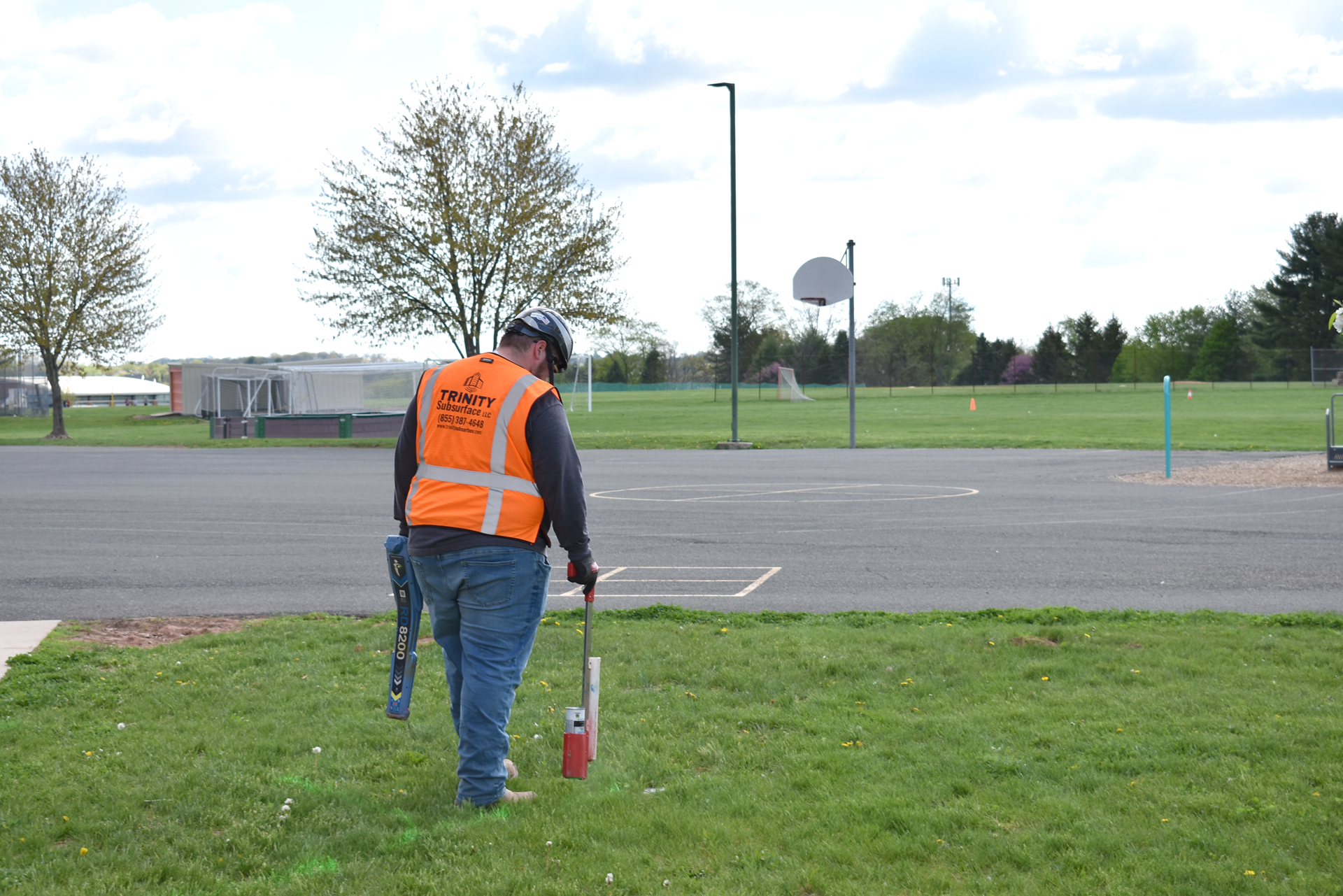
Public and private utility locators can also help mark and detect existing utilities within an area. Calling 811 is the law to prevent damages to public services. If a public utility locator will not mark within an area of work, calling a private utility locator is recommended. Private utility locators will detect all underground utilities and structures on a site as-needed.
What if I need to dig close to an existing utility?
If you need to dig around a utility or confirm any existing marks, vacuum excavation is recommended. Vacuum excavation involves using air or water to safely dig around existing utilities and can be used to confirm depth, direction, material and conditions of detected utilities.
Who should I call when I need to avoid damaging utilities?
The first call should always be to a public utility locator to verify existing marks of public lines. After calling a public locator to mark publicly owned utilities, you should call a private utility locator to detect any additional lines on a site.
Trinity Subsurface is a private utility locator that can help you locate existing lines with a full suite of tools, including electromagnetic scanning equipment and ground penetrating radar. We also offer vacuum excavation and mapping services. You can call our office or submit through our website to request locating services today.
Need it on your site? Request a proposal or call (855) 387-4648.


