

Understanding how often your sewer needs maintenance requires understanding the various issues sewers can face. Sewers are often a web of interconnected access points used to transport wastewater for proper treatment to be released back into the environment. When sewers do not function as intended, more issues such as flooding, property damage and health risks can arise. Identifying issues before they become major problems is crucial. Most municipalities will inspect their sewers once every year or two in order to keep sewers properly flowing. Since sewers are often buried under the surface, sewer issues often occur where they are out of sight. These issues can include:
What Causes Blockages In Sewers?
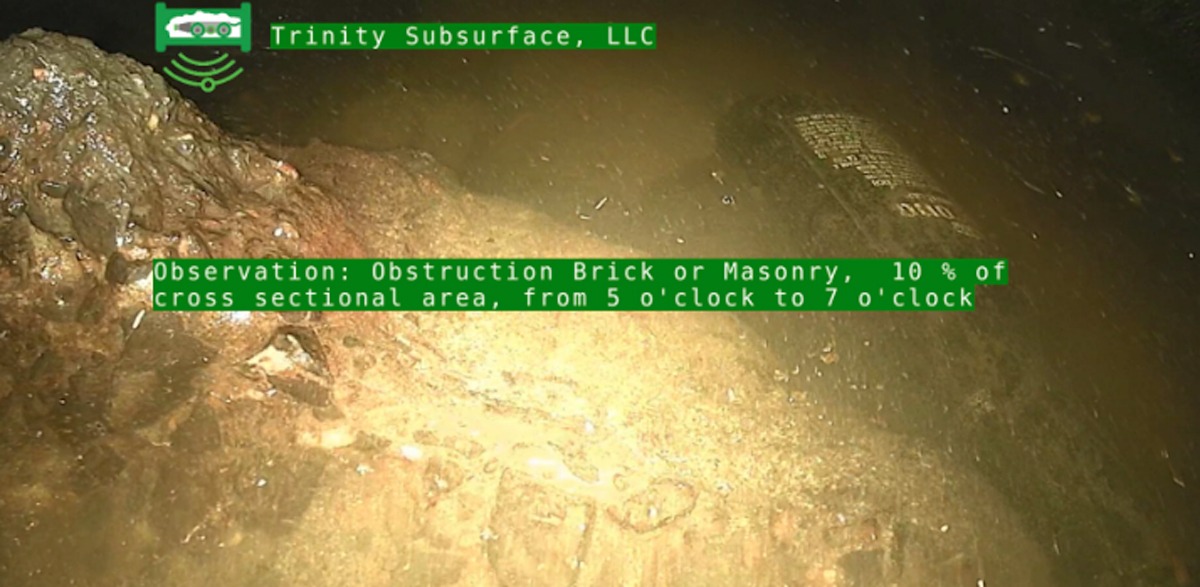
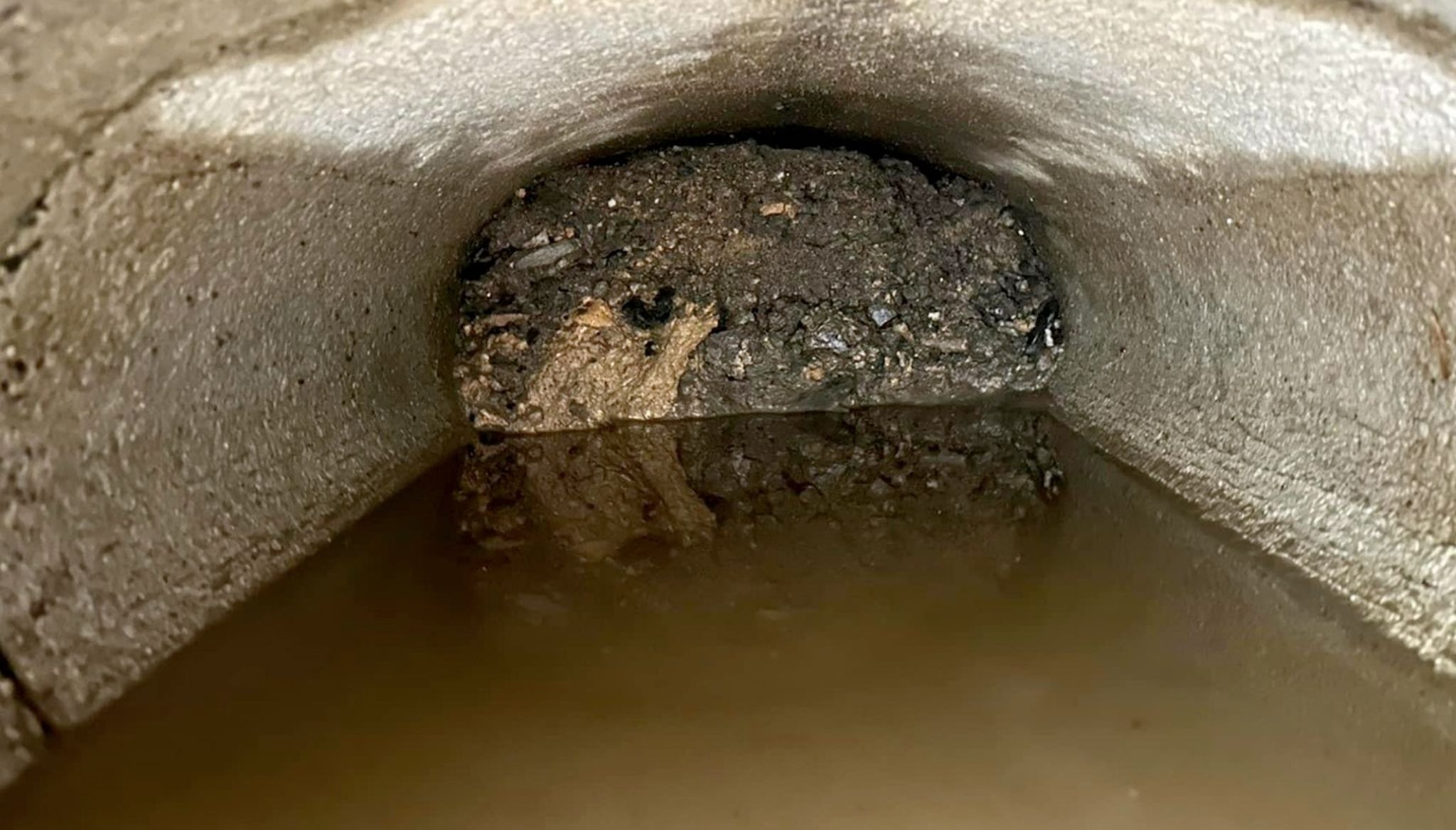
Blockages are often caused by unflushable materials, such as wipes, towels, hair and other non-degradable objects entering through access points. This issue can become worse over time with enough build up of debris and could potentially block off flow entirely. In our experience, we’ve seen pipes where 95% of the sewer is clogged and water cannot pass through. Blockages can normally be cleared using hydro jetting: using high pressured water to safely remove any obstructions between access points.
How Does Weather Affect Utilities?
Weather events are highly unpredictable, but can cause serious issues for sewers if they haven’t been maintained regularly. Major rain events can push unexpected materials and excess water into pipes that may not be able to handle them, causing blockages, additional flooding, and standing water when wastewater capacity is exceeded. Pipe inspection and cleaning can help mitigate some of these issues, although additional stormwater management practices may be recommended if flooding continues to occur.
Why Pipes Deteriorate Over Time
Corrosion and deterioration are a combination of age, use, and wear. Chlorinated water, which is used to remove harmful bacteria and viruses from city drinking water, can increase corrosion of metal pipes and degrade plastic pipes over time. Salt water can also increase oxidation in metal pipes, accelerating corrosion. That’s why when we inspected pipes closer to the bay prior to trenchless repairs, we were able to see heavy corrosion at the typical stormwater flow level at the bottom of the pipe. Clay pipes, which were largely installed prior to the 1970s, deteriorate naturally over time and are extra susceptible to root intrusions due to their overall brittleness and fragility.
CCTV pipe inspection can be used to determine the level of deterioration, and trenchless pipe repairs can help restore the inside of otherwise structurally sound deteriorating pipes.
Issues With Cracks and Joints
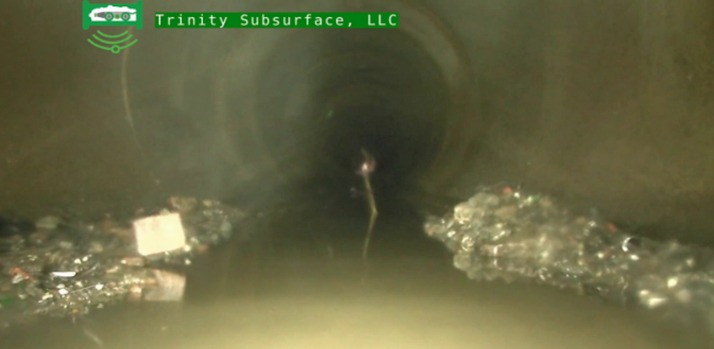
Crack and joint issues are a combination of age, use, and other outside factors, such as ground movement. These issues can cause groundwater to unexpectedly infiltrate pipes and cause untreated wastewater to leak into the ground, leading to environmental issues and health risks. Sewer collapses and sagging can lead to water flow being prevented, which can lead to additional blockages. Video pipe inspection and hydro jetting can help uncover these problems. Some of these issues can be treated with trenchless pipe relining and joint sealing if the structure is mostly in-tact. When a pipe is collapsed or sagging, a full pipe replacement is recommended.
For sewers, being proactive ahead of issues with regular sewer maintenance can help prevent larger problems down the line. Our team at Trinity Subsurface provides high-quality video pipe inspection reporting, hydro jetting, and trenchless pipe repairs. Visit the rest of our website for more details on how we can help provide routine maintenance for your sewer system.
Need it on your site? Request a proposal or call (855) 387-4648.


