


Air and hydro vacuum excavation from New Castle County to Sussex.

Trinity Subsurface exposes buried utilities with air and hydro vacuum excavation across Delaware, from New Castle County to Sussex. A test hole confirms the exact depth, size and material of a line and records it as ASCE 38 Quality Level A data, so designers and contractors can build around it with confidence. We also slot trench and daylight utilities around live lines.
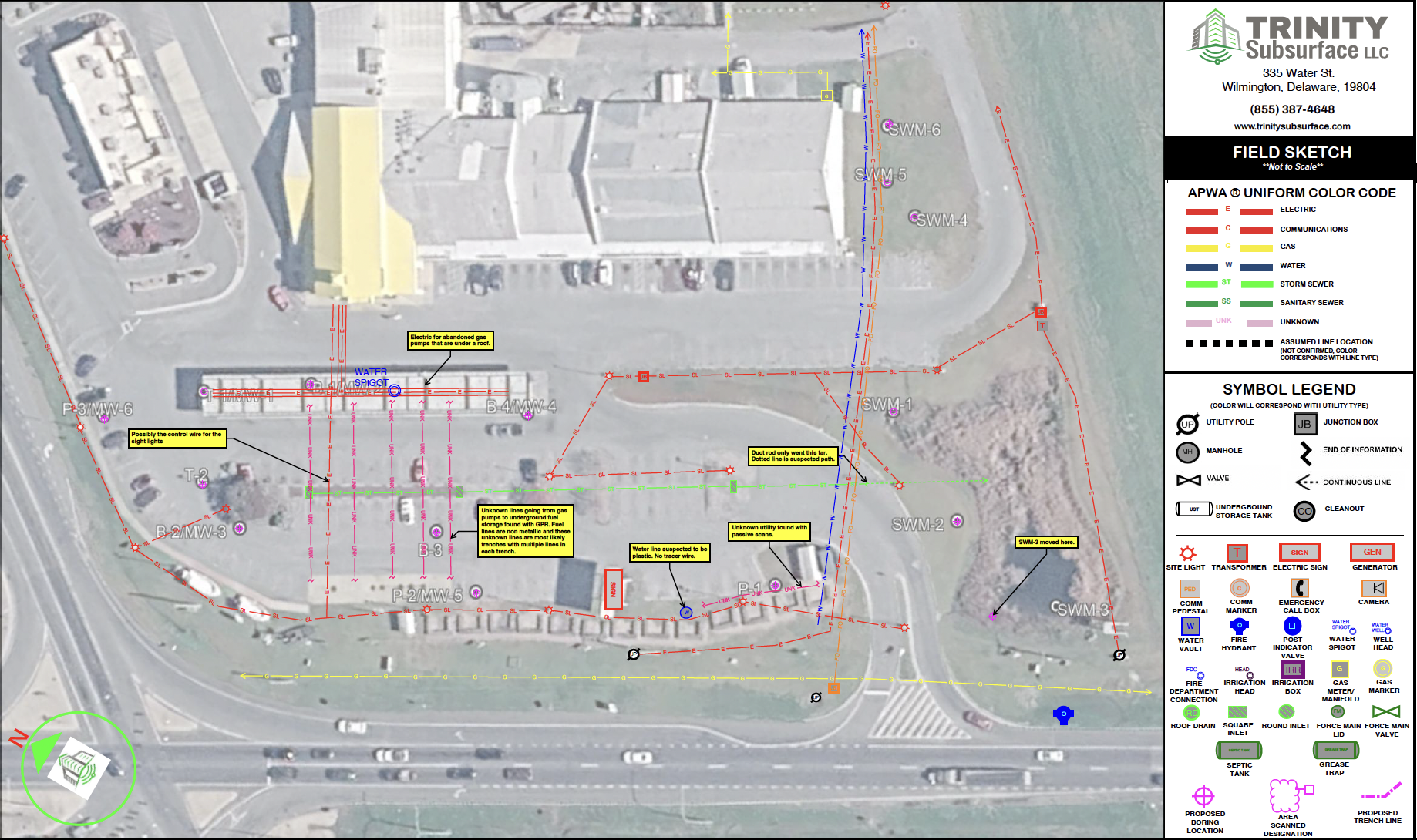
EM and GPR tell you where a line runs, but not always how deep it is or what it's made of. A vacuum-excavated test hole exposes the utility without damaging it, so its depth, size and material can be measured and surveyed. That Quality Level A data lets engineers resolve conflicts during design and lets contractors dig, bore or drive piles next to live lines with confidence.

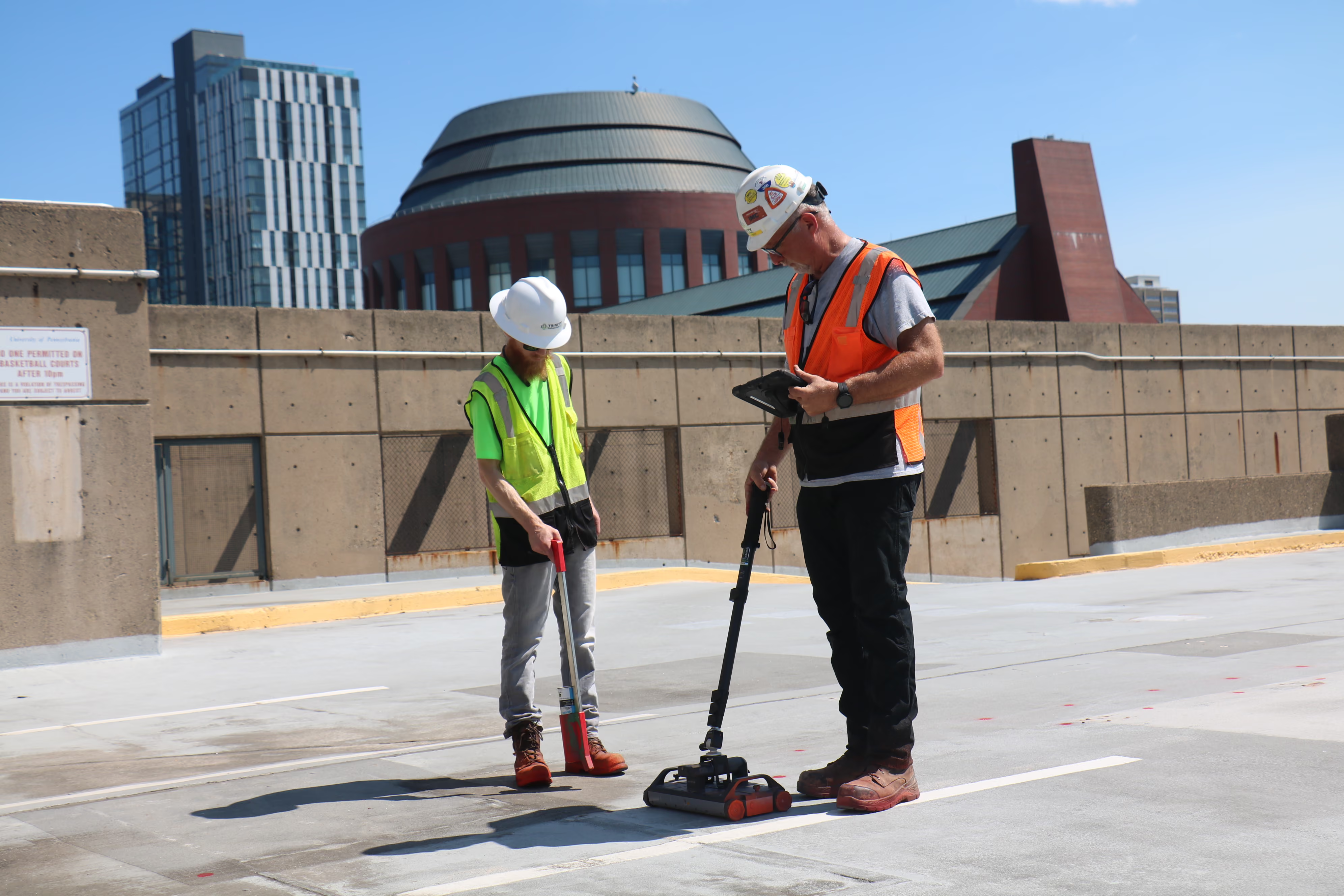
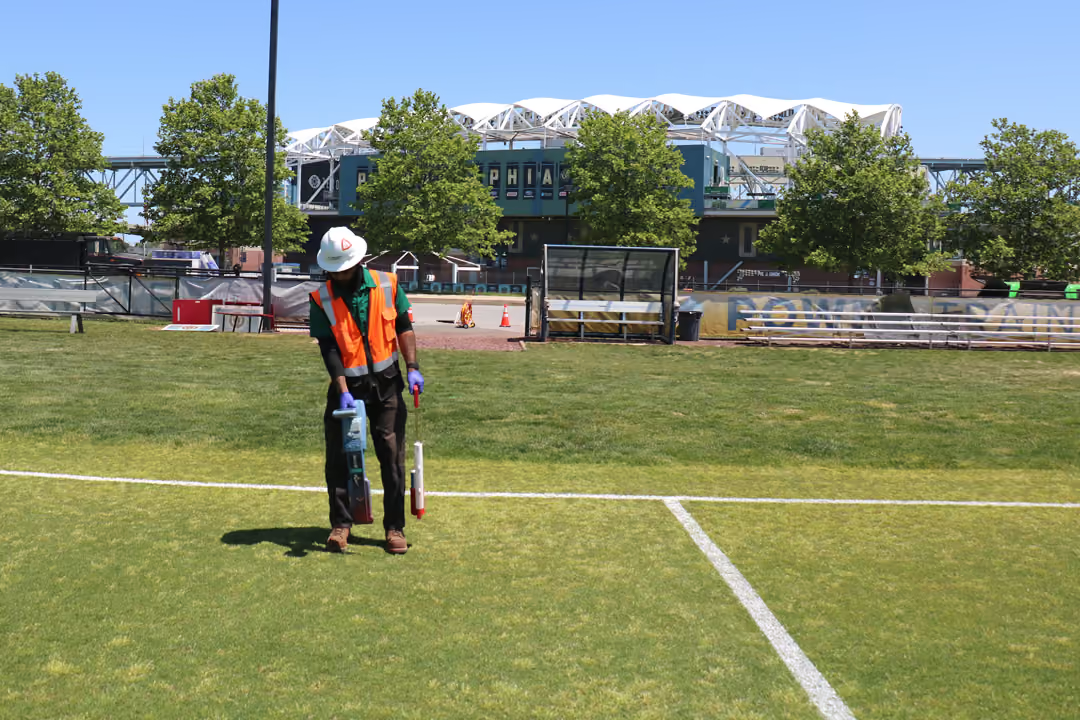
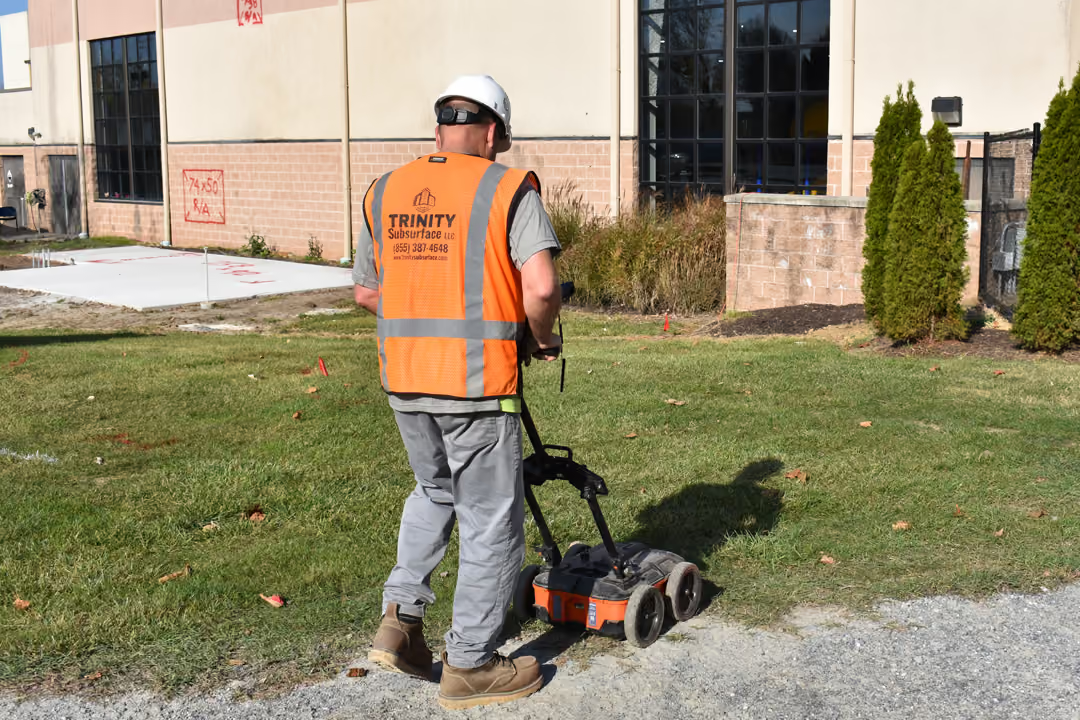
Our team relies on a variety of technologies and methods to fully examine your site. We use electromagnetic scanning, ground penetrating radar and more to get the best info on subsurface utilities and underground infrastructure.

Our team offers multiple services to support your projects on top of utility locating and concrete scanning. Ask us about additional utility investigation services we can offer for further support beyond GPR locating and scanning.

We aim to provide ongoing support for your current and upcoming projects. Whether you're just starting design or running into unexpected utilities during construction, we'll investigate and assist with any step of your project.
A test hole, or pothole, is a small excavation made with air or hydro vacuum equipment to expose a buried utility without damaging it. It confirms the line's exact depth, size and material, recorded as ASCE 38 Quality Level A data.
Yes. We coordinate with the project surveyor so each exposed utility can be located while the hole is open, then we backfill and restore the surface.
All of Delaware, from Wilmington and New Castle County through Dover and Kent County to Sussex County. Call (302) 407-3697.

